Cart
0
your cart

No items found.
Product is not available in this quantity.

Lucía (she/her) intrigued me. She is Argentinian, from Brazil, and grew up around German culture, due to her step-father. She's an educator, mother of a 3 yo adorable child, and has been living in Berlin for 6 years with her family. Her multicultural upbringing made her question if she was the right person for this project. She told me that her migration process was quiet privileged, as she came to Berlin already equipped with the language. I told her she was in the right place, with all her in betweens and intersecctionalities.
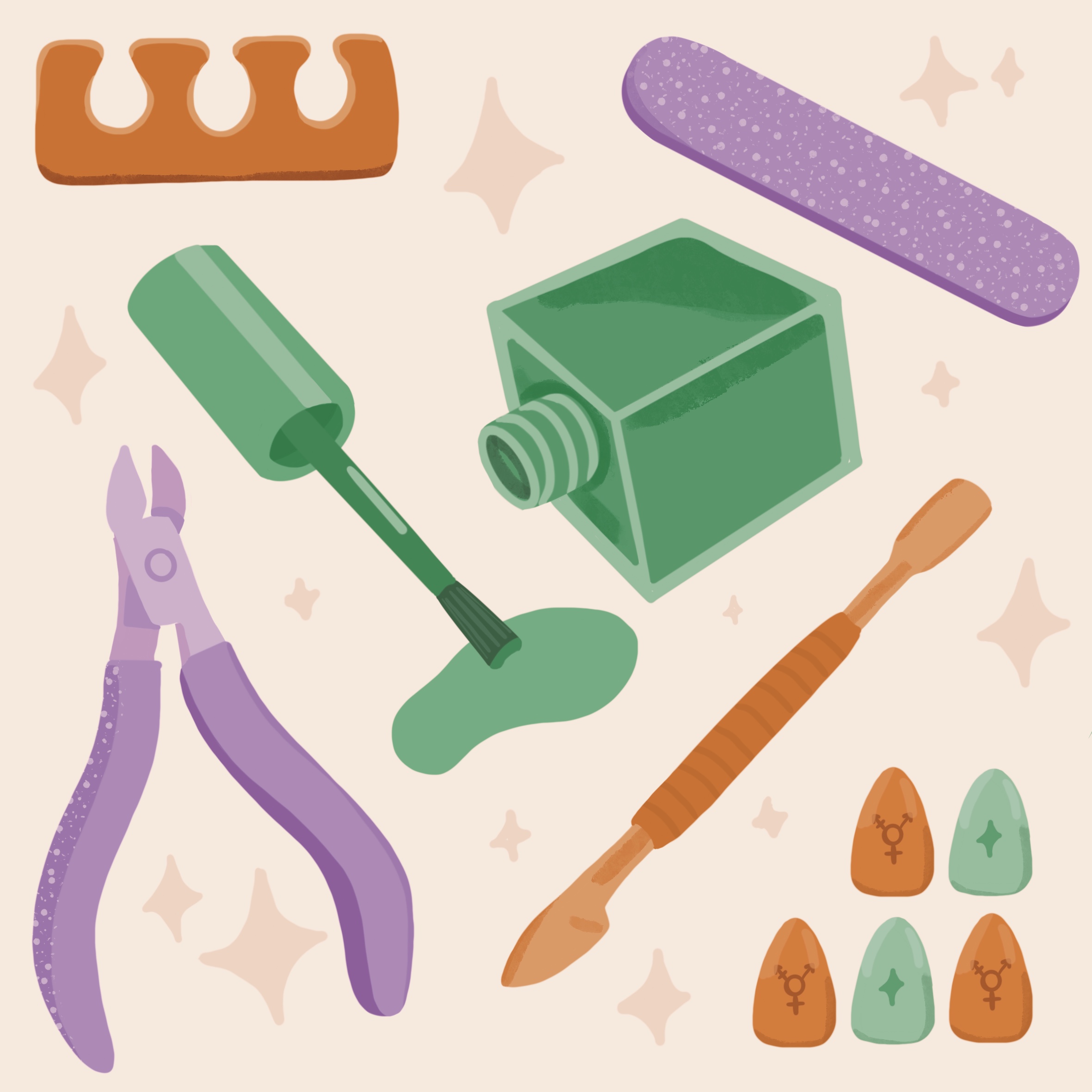
She surprised me when she brought up nail polishing as self-care. With all my biases, I tended to connect this activity to vanity, and something I had been repelling for years. But Lucía showed me a different perspective.
As your hands are busy, it's an idle time in which you just can't be productive, or do anything else than being there. Lucía relates self-care to activities that are contemplative, and most of times don't lead to a final result, or when they do, it's not something for others. For nail polishing there's also another important layer:
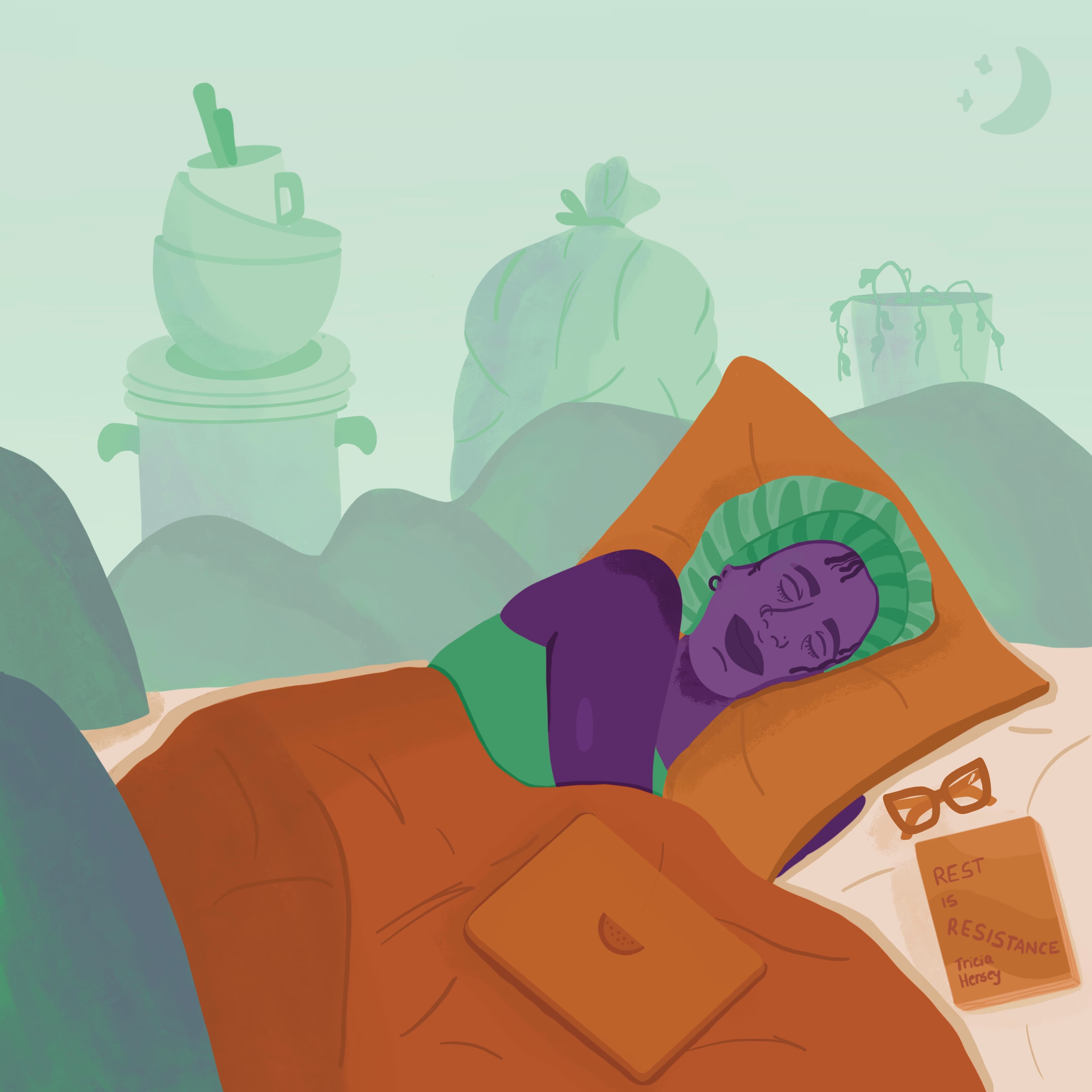
Lucía does the exercise of defining what self-care is and what it is not. She points out that there is self-care, and that there is basic care, which covers our basic needs as human beings. Sleeping enough hours, eating balanced meals, for e.g. should be a basic care foundation.
She brings attention to another common misunderstanding, that is fueled my the media, between what is self-care and what is indulgence, or instant pleasure.
We live in a system that gets us so exhausted, that we end up relying on "self-care solutions" that provide us with instant relief and/or numbness, but will never get to the core.
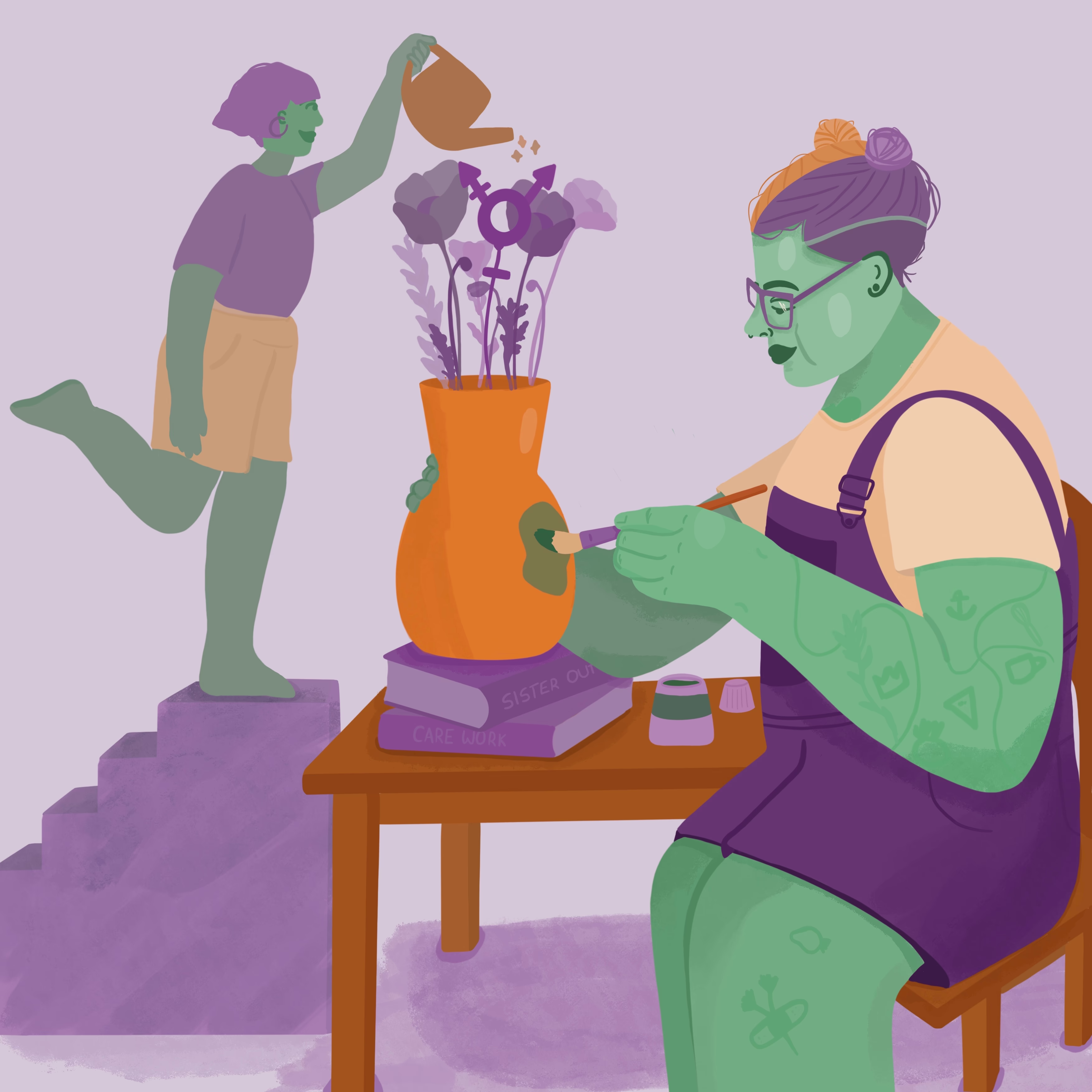
As a counter point, she likes to care for her home as a self-care activity. It's something that requires effort, so it's not pleasant right away, but that bring her a sense of satisfaction when things are clean and in the right place. However, since being a parent, taking care of the house, as well as its decoration have become much more functional than it used to be.
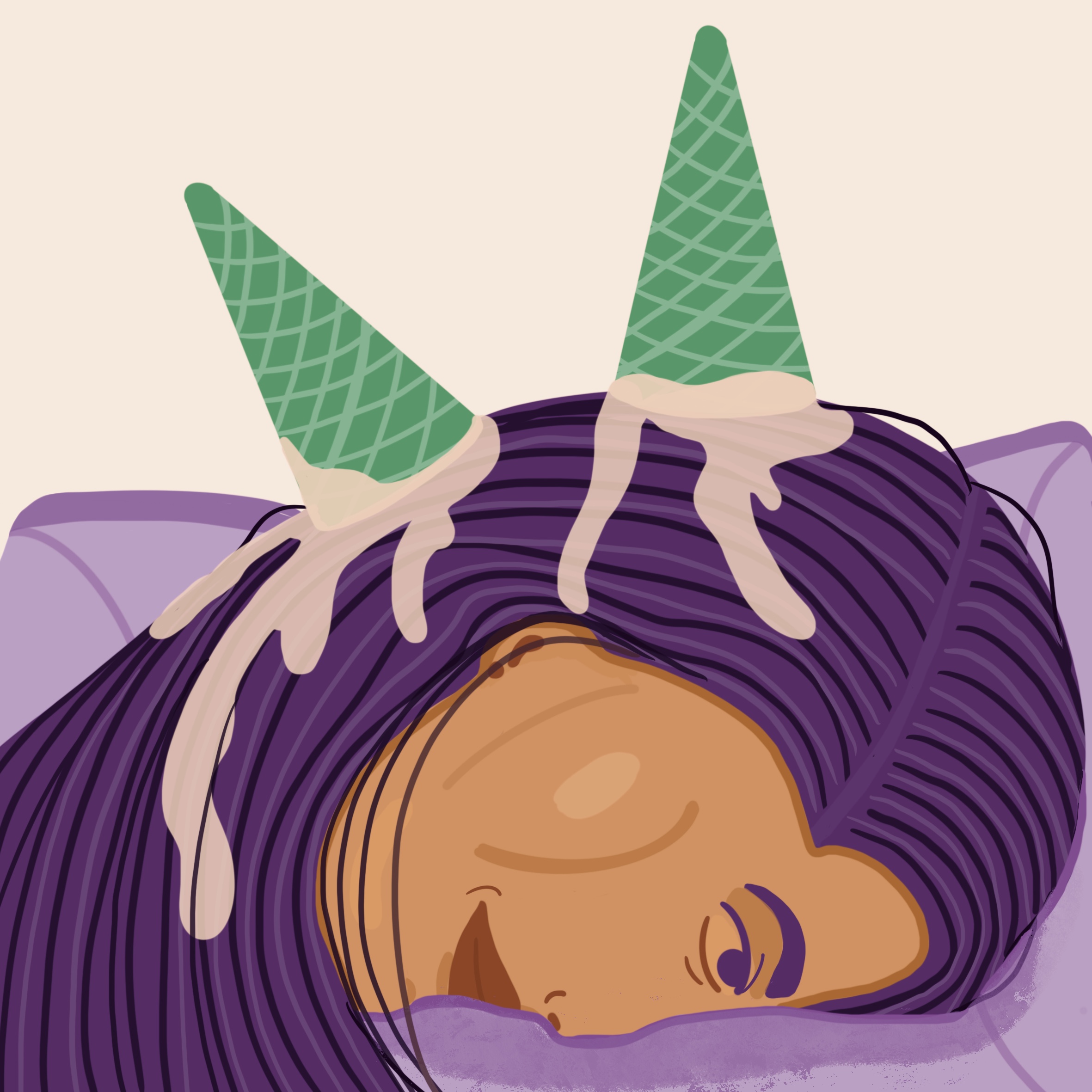
I wondered how self & care develop in her life as a parent, and Lucía explains:
This conversations and adjustments started early on, as Lucía had to go back to work when their child was 2 months old.
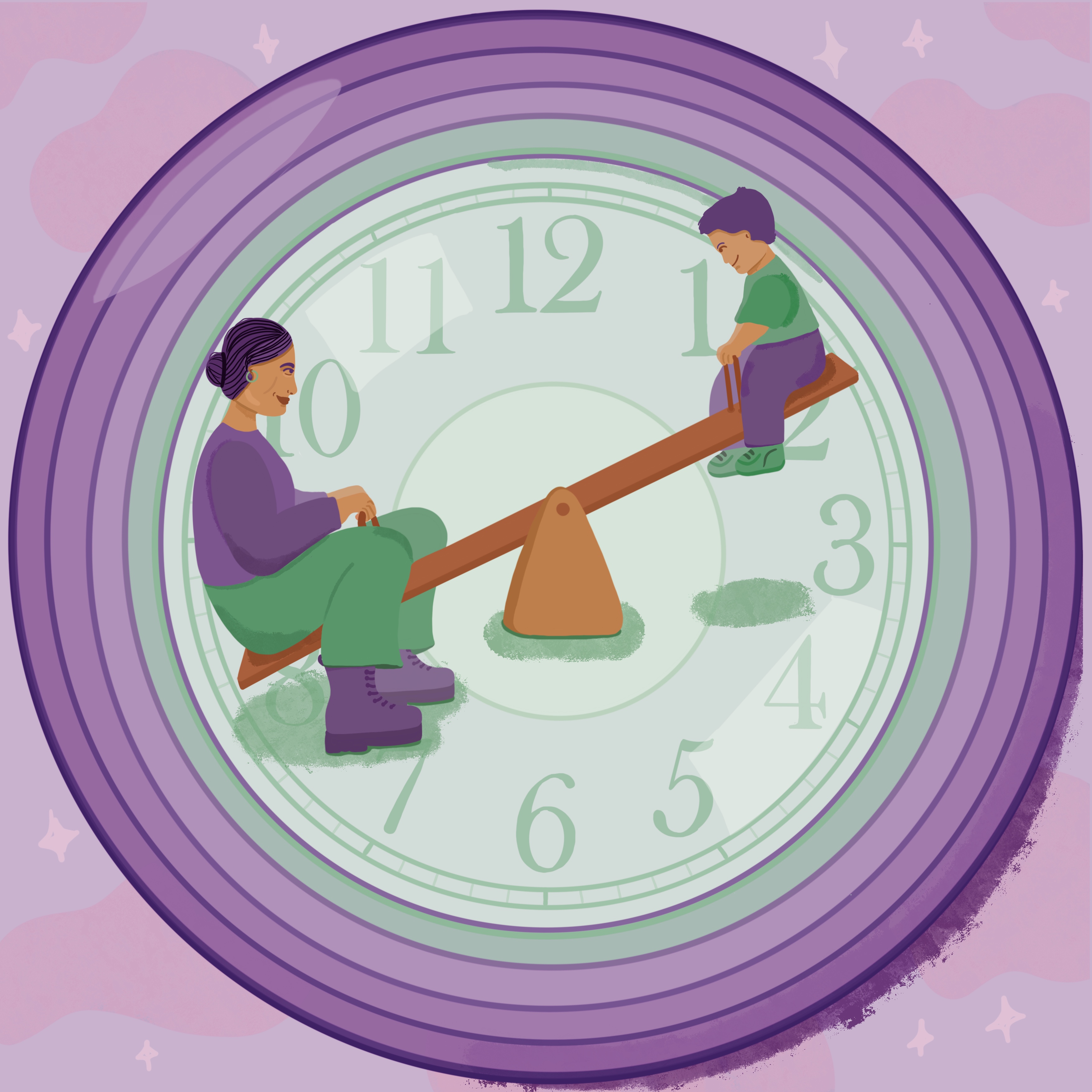
At times, in the beginning, the biggest struggle was being sleep deprived, and the tough effects that this had on her, leading to a burnout. This showed her the importance of carving time for herself, which is enabled by a healthy division of care responsibilities.
She explains to me that when you have a small child, you have to be constantly present monitoring what they are doing, and it’s hard to do anything else. There is an amount of hours a kid is awake during the day, and you can't optimize that.
As their kid grows, Lucía has been teaching him how to play on his own, and do small tasks independently, like a small participation in preparing dinner.
I'd always thought that being a parent away from our home countries made the experience even harder, but Lucía presented me once again with an interesting perspective.
Throughout the years she has built a strong support network in Berlin, from which she can get genuine help from friends and family, alongside the kindergarten. The access to public services with quality is better in Berlin, compared to Brazil, and also, the work-life-community mindset is more developed, so her network has the space to accommodate her reality, and the other way around.